
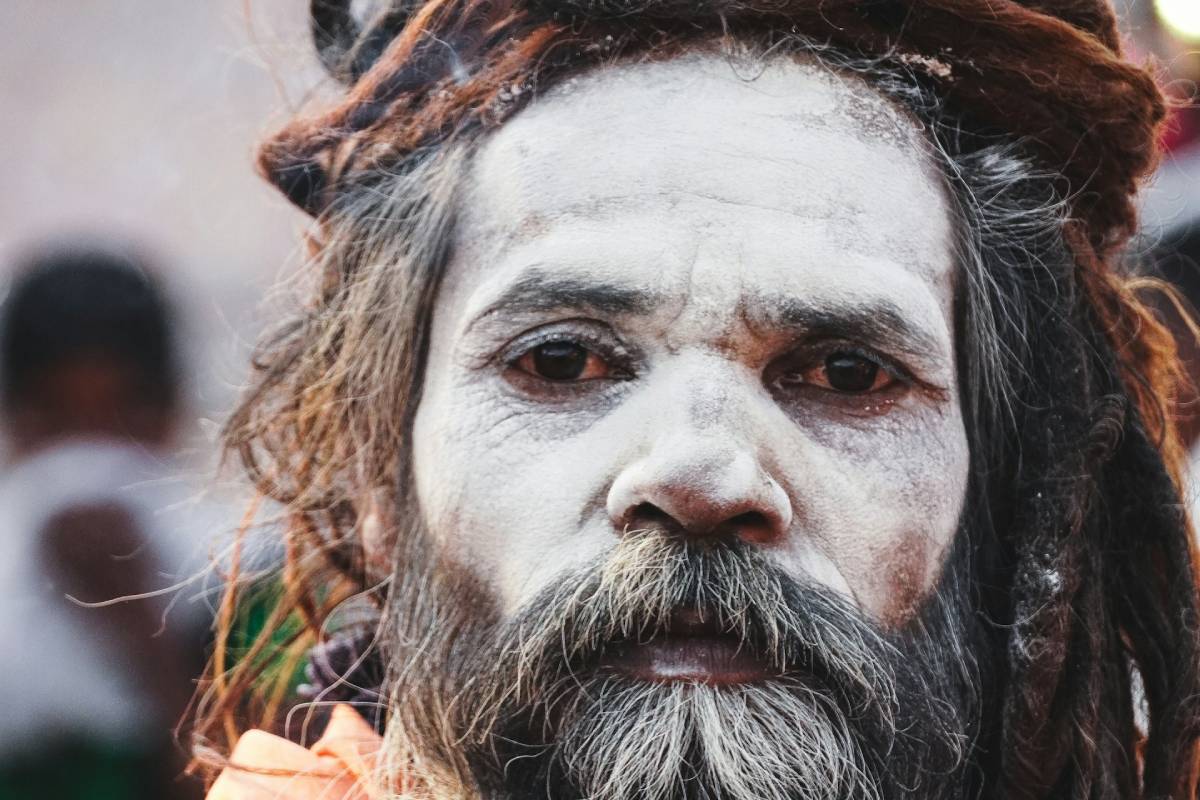
The Mahakaleshwar temple of Ujjain holds a special place among devotees as it is among the 12 sacred Jyotirlingas of Shiva. As a result, devotees from all over the country throng this place to seek the divine blessings of Lord Shiva and to be a part of the Bhasmarti at Mahakaleshwar Temple.
Ujjain is not only a place of worship but also a place of immense religious and cultural significance. Among the many things that make Ujjain famous, an important ritual called the Bhasmarti is performed every day.
This arti is popular among devotees, and as a result, hundreds of devotees attend this ritual every day. The ritual is devoted to Shri Mahakaleshwar, the main deity of the temple. Additionally, among all the Jyotirlingas of India, Mahakaleshwar is the only Jyotirlinga where Bhasmarti is performed. Consequently, this fact makes the temple unique among other temples.
The Bhasmarti begins every day at 4 AM in the morning and the entire ritual is spellbinding. The early morning calmness makes the experience even more enchanting. It is a powerful arti and the energy and vibrations that it creates make it a once-in-a-lifetime experience. This is the reason why many devotees book this arti and attend it with full devotion
If you are planning to visit Ujjain and are curious to know about the Bhasmarti, this article is for you. We will shed some light on the significance of Mahakaleshwar temple, what is Bhasmarti, how can you book the arti, and the rules for attending the arti.
Significance of Mahakal Ujjain Temple
The Mahakaleshwar temple in Ujjain, often referred to as “ Ujjain ke Mahakal” is a sacred place where Lord Shiva eternally resides and blesses his devotees. Hinduism regards the city of Ujjain as one of its seven sacred cities.
The Mahakaleshwar Jyotirlinga here holds the distinction of being “Swayambhu,” meaning it manifested itself and was not created by anyone. It is one of the oldest shrines in India and holds a special place among Shiva devotees from all over the country and the world.
People often regard the Mahakaleshwar form of Lord Shiva as the “Guardian of Time,” and they believe that visiting this temple can help overcome the fear of death and the constraints of time.
The history of the temple dates back to ancient times and has references in various texts including the Puranas. It blends different architectural styles and has undergone several renovations over the century.
It is an architectural marvel and showcases the exquisite craftsmanship of the ancient era. The temple features a five-tiered spire, intricate carvings, and a massive entrance gate called the “Mahakal Darwaza”.
The temple has enough room to accommodate hundreds of people at a time who can view the arti comfortably. The spiritual ambiance of the temple is mesmerizing and creates a tranquil atmosphere for the tourists.
What exactly is the Bhasmarti?
The Mahakaleshwar temple in Ujjain holds a mesmerizing daily ritual called the Bhasmarti, performed every morning at 4 AM. It is one of the main attractions in Ujain and devotees from all over the country book and attend this arti.
Attending the Bhasmarti is a once-in-a-lifetime experience; the chanting of mantras creates a vibration that makes you feel energetic and joyful. Also, the early morning peacefulness and calmness fills you with immense positivity.
Traditionally, the Bhasmarti ritual used Bhasma (ash) collected from funeral pyres. However, modern times have led to a change in the practice, and now fresh ash prepared from cow dung is used.
Though devotees cannot enter the Garbhagriha (sanctum sanctorum) where the Bhasmarti takes place, they can still witness the ritual thanks to a screen projection set up within the temple. The hall’s spacious design comfortably accommodates hundreds of people at a time, ensuring an unobstructed view of the arti ceremony.
The process begins with the ‘Abhishek’, ritual bath of the Shivling. Then multiple offerings like curd, honey, and sandal paste are made. Priests clean the Shivling with milk and water. Then, they decorate it with flowers and Bel leaves, considered very dear to Lord Shiva.
About The Bhasmarti Ceremony
The ceremony progresses with the Shivling being transformed into a divine face. Priests then decorate it with garlands before reaching the stage for the ash ritual. After bathing and decorating the idol the process of the ash ritual begins. Priests completely cover the Shivling with a cloth. Then, they sprinkle ash over the idol. The priest’s sprinkling of ash fills the sanctum with a cloud of grey dust.
Devotees eagerly participate in the much-awaited arti. Priests light oil lamps, ring bells, and lead the chanting of ‘Har Har Mahadev’ and ‘Om Namah Shivay’. The entire arti is full of energy and experiencing it in the temple is a once-in-a-lifetime experience.
What Is the Significance of the Ash Ritual?
The Bhasma (Ash) included in the ritual is the unique thing about the arti. Previously, the Bhasmarti ritual used ash collected from funeral pyres. This practice aligned with the meaning of “Mahakal,” a name for Shiva signifying the God of Time and Death.
Modern times have necessitated a change in practice. Now, priests prepare fresh ash from cow dung for the Bhasmarti ritual. Priests bring fresh ash daily to the arti ceremony, where they perform the sprinkling ritual.
Rules you should know before you attend the Arti
The priests begin the Bhasmarti at Mahakaleshwar Temple every day at 4 AM, so it is recommended that you arrive at the temple early. Devotees gather in queues and usually start arriving after 1 AM. If you want to offer your Puja separately then you should wait until after the Arti for about 2 hours.
Attending the Bhasmarti requires booking a slot online, which opens one month in advance. Devotees can book their slots for the Bhasmarti either through the official website or at a dedicated counter set up within the temple. Places fill up fast, so we recommend that you book the Arti at least 15-20 days in advance.
There is a dress code for attending the Bhasmarti if you want to perform the Jal Abhishek inside the inner sanctum. Men have to wear traditional Dhoti and women have to wear sarees.
The temple prohibits cell phones and cameras inside the premises.Security checks enforce the rule prohibiting cell phones and cameras inside the temple.There is a dedicated counter to put your belongings.
Where to View the Bhasm Aarti
The Bhasmarti begins shortly after the Jal Abhishek. To view the Arti comfortably there are several halls that accommodate a considerable crowd. There are four halls near the temple’s inner sanctum. The temple complex has undergone recent construction to expand some halls, allowing them to accommodate more devotees.
These newly constructed halls provide a viewing area for the Bhasmarti ceremony:
Nandi Mandapam: It is the preferred hall which is near the inner sanctum and accommodates about 100 people.
Ganapati Mandapam: Located near the Nandi Mandapam, the Ganapati Mandapam hall offers seating on stairs and can comfortably accommodate around 400 people for viewing the Bhasmarti ceremony.
Kartekey Mandapam: The Kartekey Mandapam sits atop the Ganapati Mandapam, featuring a glass wall that allows viewers to directly witness the Bhasmarti ceremony.
Bhasmarti Mandapam: The farthest hall, a new construction, allows viewing of the Bhasmarti ceremony on large LED screens.
During the Ritual
The Bhasmarti ceremony lasts approximately 45 minutes to an hour, with a significant portion dedicated to the elaborate Shringar (adornment) of the Shivling. The actual part of the Arti which is sprinkling the Bhasma lasts for only a minute and a half. When this is carried out the women are asked to cover their eyes.
As mentioned earlier the ash used in the Bhasmarti has transitioned from funeral pyres to a sacred Vibhuti specifically prepared from cow dung. Priests then commence the arti after covering the idol with ash. The chanting of mantras fills the atmosphere with positive vibrations.
Booking the Bhasmarti at Mahakaleshwar Temple
The Bhasmarti’s immense popularity attracts hundreds of daily bookings. We highly recommend booking well in advance to secure your spot.You can book the Arti in two ways either online or offline.
Online Booking: To streamline the process, the temple authorities have introduced an online booking system. You can visit the official website of the Mahakaleshwar temple to check the availability and booking date.
For those who prefer booking in person, the temple provides dedicated counters where you can inquire about and book Bhasmarti passes.
There are nominal booking charges for the Bhasmarti which vary depending on the type of pass and the time of the year. The temple authorities use the money for temple maintenance and charitable purposes.
Temple authorities may require you to present ID proof, such as an Aadhaar card or passport, to verify your identity when booking your spot for the Bhasmarti.
After you have successfully booked the arti, you will receive a confirmation email or SMS with the details of the booking. You must arrive well in advance and collect your pass from the designated counter on the day of Arti.
To avoid any inconvenience, you must adhere to the temple’s dress code and other guidelines. Additionally, prepare for security checks and queuing upon arrival at the temple for the Bhasmarti. Furthermore, to ensure a smooth entry, arriving well in advance is advisable.
Summary
The Bhasmarti at the Mahakaleshwar temple is immensely popular and people from all over the country book and attend this mesmerizing event. If you are about to visit Ujjain then you should definitely experience the Bhasmarti.
Some of the key highlights:
- The Arti begins at 4 AM every day
- Advance bookings can be done online or offline
- You need to adhere to the guidelines and follow a dress code
- The temple counter issues passes for the Bhasmarti ceremony.
This article tried to cover all the important aspects related to the Bhasmarti at Mahakaleshwar Temple. Hope this article was helpful in conveying all the required information about this once-in-a-lifetime event.
Let us know your thoughts in the comments.